
Custom Orthotics Fitting Process: What to Expect
Learn how custom orthotics are assessed, measured, made, fitted and reviewed, plus what to bring and verify before booking in London, Ontario.
Custom Orthotics Fitting Process: What to Expect
A proper custom orthotics fitting should begin with an individual assessment, not simply choosing an insert based on shoe size or symptoms. The process may include reviewing foot and lower-limb function, observing gait, capturing foot shape and position, arranging fabrication, checking the fit in your footwear and reassessing the device. The exact workflow varies by provider and product, but assessment, measurement, fitting and follow-up are central parts of a professional process. This Canadian overview of custom orthotics fabrication describes the process from clinical assessment and scanning through fabrication, fitting and follow-up.
Why the process starts with an assessment
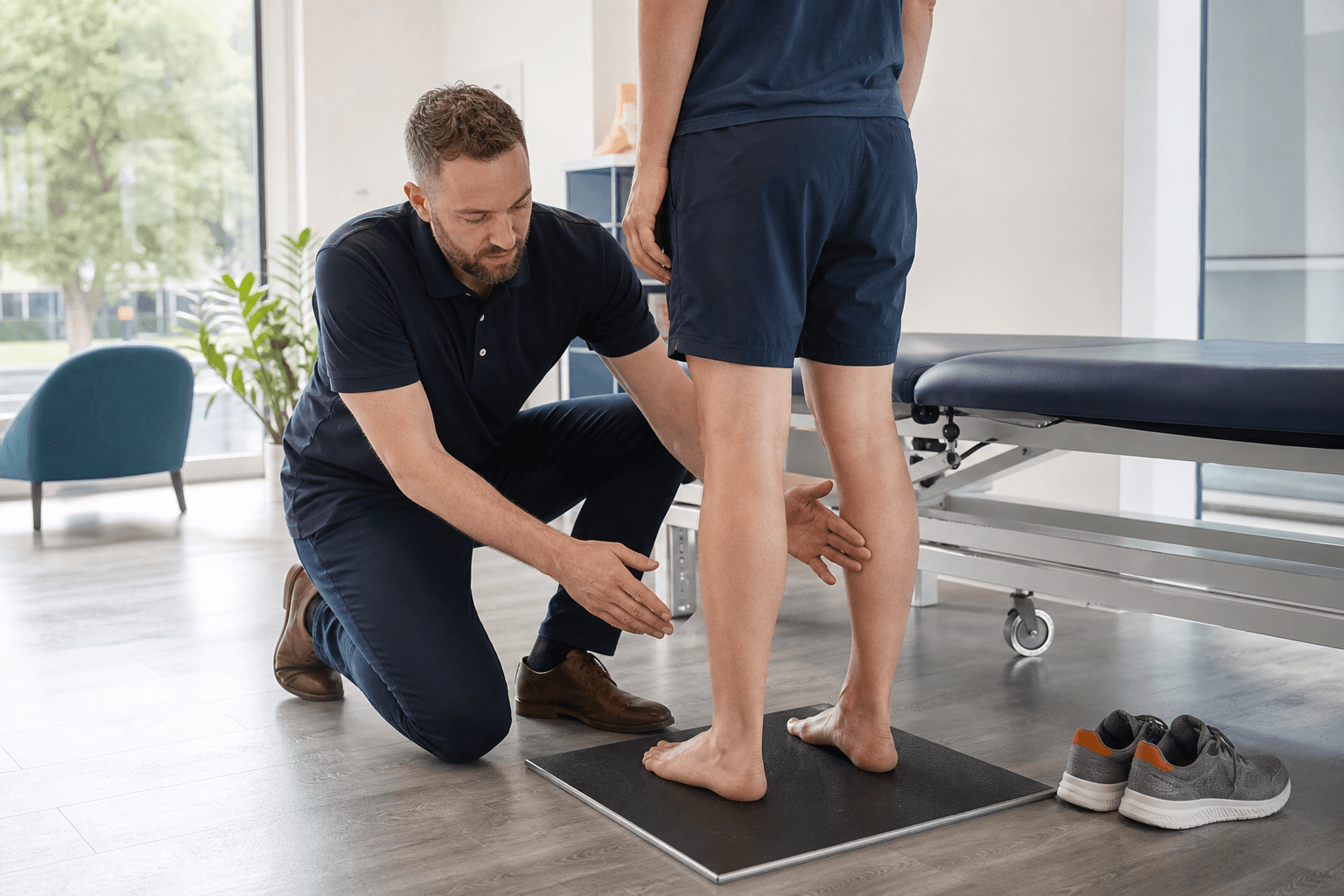
Custom orthotics are intended to provide individualized support, so the assessment should address more than foot size. A professional evaluation may consider standing posture, foot and ankle structure, lower-limb alignment, joint range of motion, muscle strength, flexibility and walking patterns. Some providers may also use digital pressure mapping or other movement measures where appropriate. A Canadian foot-care explanation of the process describes biomechanical assessment and gait analysis as early steps in deciding what support may be appropriate.
The purpose is to connect the findings with your actual needs. Someone who stands at work, runs regularly, wears safety footwear or is recovering from an injury may have different footwear and support requirements. A thorough assessment should include a conversation about where you feel discomfort, what activities you want to continue and which shoes you expect to use.
An assessment does not guarantee that custom orthotics will resolve pain or prevent future problems. It helps determine whether orthotic support is appropriate and provides information for designing and fitting a device for your circumstances.
Stage 1: Discuss your symptoms, goals and footwear
Be ready to describe where symptoms occur, when they started, what makes them better or worse and whether they affect walking, work, sport or daily activities. Mention relevant injuries, surgeries, medical conditions or previous orthotics where they may affect the assessment.
Your footwear matters because an orthotic must work within the shoes where it will be used. Consider bringing the shoes you wear most often or the footwear connected to your goal, such as work boots, running shoes or everyday shoes. Ask whether the proposed device is suitable for more than one pair of shoes.
Stage 2: Complete the foot, lower-limb and gait assessment
The assessment may include observing you while standing and walking, examining foot posture and checking how the ankles, feet and lower limbs move. The provider may assess joint range of motion, muscle strength, flexibility and gait patterns. These elements can show how your feet function during movement rather than relying on a static impression alone. This overview of structured biomechanical assessment outlines areas that may be considered.
Methods differ according to the provider, your concerns and the intended use of the orthotics. Ask how the findings relate to the recommended design. A provider should be able to explain the assessment in plain language and identify what information will guide the next stage.
Stage 3: Capture the shape and position of your feet
Providers may use a cast, three-dimensional impression, digital scan or another measurement method to capture foot contours and relevant alignment. The method itself is less important than whether it accurately represents the position in which your feet need to be supported.
Positioning matters during this stage. The Canadian Orthopaedic Footwear Association explains that a three-dimensional impression captures the contours and shape of the foot, and that maintaining appropriate alignment is important while taking the impression. Read more in this explanation of how orthotics are made and fitted.
Planet Health Care’s confirmed services include custom orthotics measurement and fabrication, but the supplied clinic information does not specify a particular scanning or casting method.
Stage 4: Design and fabricate the orthotics
Assessment findings and foot measurements inform the design of the custom device. Fabrication may take place through a laboratory or another arrangement selected by the provider. Materials, design features and timing can vary.
Ask where the orthotics are fabricated, which features or materials are recommended and why, whether they are intended for particular shoes or activities, when the fitting will take place and what happens if the finished device does not fit your footwear.
This Canadian orthotics provider describes casting, laboratory fabrication, fitting and re-evaluation. That sequence helps explain the general process but should not be treated as Planet Health Care’s exact workflow.
Stage 5: Attend the fitting appointment
The fitting appointment checks how the orthotics sit in the intended shoes and feel when you stand or walk. Positioning, available space, comfort and function are all reasonable topics to raise.
Tell the fitter if the device feels unstable, creates pressure, changes how you walk or does not fit properly. A Canadian description of the process similarly frames fitting as an evaluation of foot structure and gait followed by device fitting. See what a custom orthotics fitting may involve.
Stage 6: Reassess and address fit concerns
Follow-up or re-evaluation may form part of the process. Timing and format depend on the clinic, device and your circumstances. Before leaving, ask when to contact the clinic, whether follow-up is included, who assesses fit concerns and whether there are instructions for different shoes.
Do not assume warranty, adjustment, replacement or break-in policies are the same everywhere. Confirm them directly with the provider. This Canadian orthotics FAQ illustrates why assessment, prescription requirements and follow-up should be clarified.
How to prepare for an assessment
- Note your symptoms: Record where discomfort occurs and what activities trigger it.
- Identify your goal: Explain whether support is needed for work, running, sport, walking or recovery.
- Bring relevant information: Share details about injuries, surgeries, diagnoses, treatments or previous orthotics.
- Bring representative footwear: Take the shoes in which you expect to wear the orthotics.
- Prepare questions: Ask about measurement, fabrication, fitting, follow-up, fees and coverage.
What to verify before booking
- Who performs the assessment? Ask about the professional’s role and relevant qualifications.
- What does the assessment include? Confirm whether foot structure, gait, footwear and activities are reviewed.
- How are alignment and shape captured? Ask about casting, scanning or another method.
- How are the orthotics made? Find out where fabrication occurs and ask about timing.
- Is there a separate fitting? Confirm how the finished device is checked.
- What happens if there is a fit concern? Ask about reassessment and adjustment terms.
- What will you pay? Confirm assessment, device, fitting and follow-up costs, plus insurance requirements.
If direct billing matters to you, ask which services and insurers are eligible. Planet Health Care provides information about its arrangements on its direct billing page.
Custom orthotics fitting at Planet Health Care in London, Ontario
Planet Health Care offers custom orthotics measurement and fabrication, along with professional fitting by a certified pedorthist. The clinic also provides one-on-one assessments and rehabilitation services for injury recovery, post-surgical recovery and chronic pain.
The clinic is located at Unit 15 in Sherwood Forest Mall in North London, Ontario. Patients can use online booking, same-day appointments may be available, and the mall offers free parking. Planet Health Care also provides direct billing to many major extended health insurers. Review the clinic’s custom orthotics and related products or visit the Planet Health Care website.
Frequently asked questions
How long does the custom orthotics fitting process take?
Timing varies by provider, device and fabrication arrangement. Ask when the assessment, fabrication and fitting will occur before proceeding.
Do I need a prescription or referral for custom orthotics in Ontario?
Requirements can vary by provider, product and insurance plan. Confirm whether a prescription or other documentation is needed before fabrication.
What should I bring to a fitting appointment?
Bring the shoes in which you plan to use the orthotics, along with relevant clinical information and questions about comfort, use and follow-up.
What if the orthotics are uncomfortable?
Contact the provider and ask for the appropriate reassessment process. Do not assume adjustment or replacement terms without confirming them.
Conclusion: Use the fitting process to choose your next step
The custom orthotics fitting process should be assessment-led: expect discussion of your goals and footwear, examination of foot and lower-limb function, measurement, fabrication, an in-person fit check and a way to address concerns afterward. Technology, timing and follow-up policies can vary, so ask for those details before proceeding.
If you are considering custom orthotics in London, Ontario, bring relevant footwear and clinical information, explain how you will use the device and confirm fees and insurance requirements. You can book an assessment online at Planet Health Care or contact the clinic through its contact page.